
The future of Medical Imaging
Reimagining cancer diagnosis and treatment monitoring through AI-powered whole-body bioimpedance imaging.
Why Cancer Imaging Needs to Change
More than 20 million people are diagnosed with cancer every year. Current imaging is essential but often expensive, resource-intensive and not always suitable for frequent follow-up. Healthcare systems need safer, more accessible ways to monitor disease over time.


Radiation Free
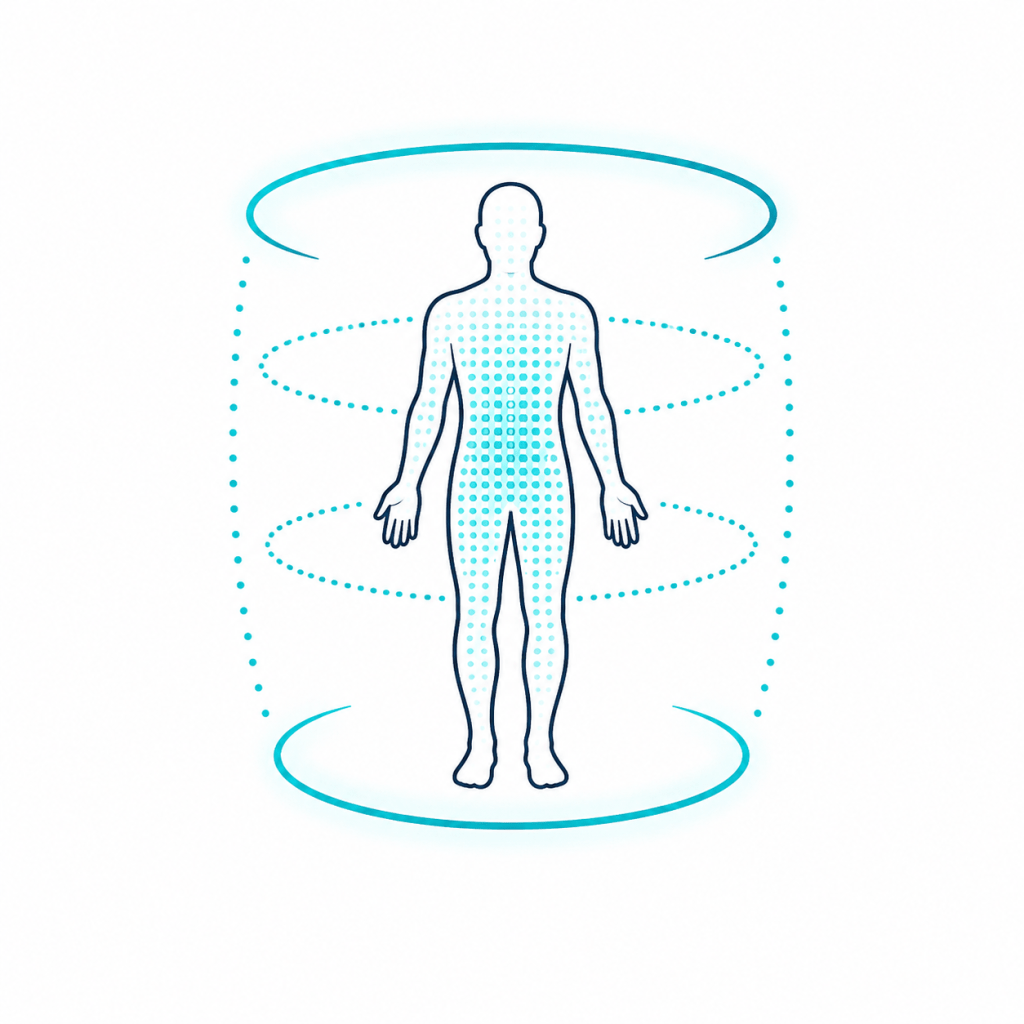
Unlike CT or PET imaging, AquaBIT uses harmless low-amplitude electrical currents, allowing patients to be monitored repeatedly without exposure to ionising radiation. This makes the technology particularly attractive for longitudinal follow-up and chronic disease management.
Whole Body
AquaBIT analyses the entire body in a single examination, generating a three-dimensional conductivity map that can identify regional tissue abnormalities and monitor disease progression over time.
AI – Powered
Artificial intelligence reconstructs millions of electrical measurements into clinically meaningful images and quantitative biomarkers, enabling clinicians to detect subtle changes that may not be visible using conventional techniques.
Why AquaBIT?
| Characteristics | AquaBIT Features |
|---|---|
| Radiation | 0 mSv |
| Imaging | Whole Body |
| AI Reconstruction | 3D Functional Maps |
| Intended Use | Early Disease Detection |
The Clinical Challenge
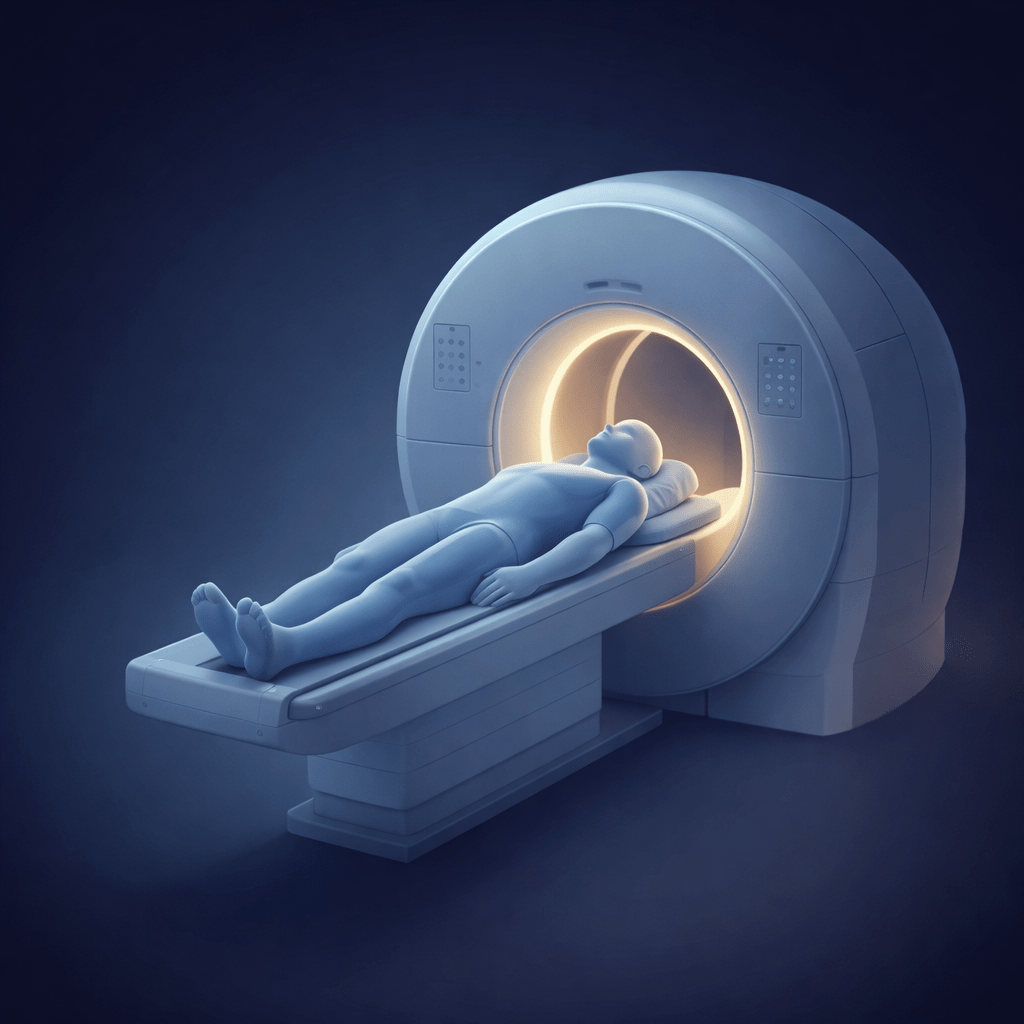
Current imaging technologies remain essential for cancer diagnosis but are expensive, resource-intensive and often unsuitable for frequent monitoring.
CT exposes patients to ionising radiation, MRI is costly and time-consuming, while PET requires radioactive tracers.
There is a growing need for a safe, repeatable imaging modality capable of monitoring disease continuously.
Our Vision
AquaBIT is building the world’s first Foundation Model for Whole-Body Bioimpedance Imaging. By combining advanced sensor engineering, artificial intelligence and multimodal medical imaging, our ambition is to create a new category of functional imaging that is safer, more accessible and capable of transforming early disease detection and longitudinal patient monitoring.
 AquaBIT Medical